Engaging Gen Z: Rethinking public diplomacy
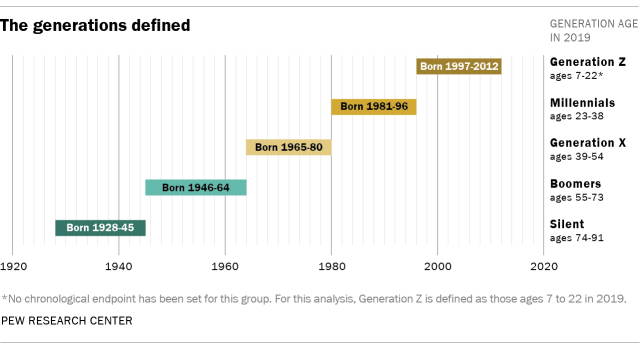
Born between 1995 and 2010, Gen Z is the newest generation to be named. For Gen Z, YouTubers are as well-known and well-liked as major celebrities providing infinite new opportunities for cultural programmers and presenters. A recent Pew study found ninety-five percent of Gen Z males are familiar with PewDiePie–the same level of name recognition as Lebron James. Do you know PewDiePie? Gen Z is here, but are we ready to engage them?
If necessity is the mother of innovation, the coronavirus (COVID-19) forced us all to rethink our approach. Indeed, the pandemic is disrupting international communities and highlights deep systemic cracks in the global system, but it has also given voice to new ways of thinking.
In recent months we've seen citizens take to the streets in protest, work to curb the spread of a deadly virus, and force brands to quite literally jump into the political arena. Now more than ever, consumers are less concerned with what's on the menu and more about the organisation's impact.
A new generation has arrived. Generation Z has surpassed Millennials as the largest generation on earth, with more than one-third of the world's population counting themselves 'Gen Zers.' In the United States, Gen Z constitutes more than a quarter of the population and in 2020 became the most diverse generation in history.
Although a vaccine or proper treatment for COVID-19 is still not in sight, now is the time to lean-in and evolve our strategies. Gen Z is already consuming our virtual content and engaging with our digital cultural programming. Why?
The first digitally native generation sees no reason to emphasis face-to-face interactions. Gen Z's preferred method of engagement is often digital. This shift presents an opportunity to shape and deploy new strategies that address societal challenges that appeal to Gen Z like diversity, sustainability, climate change and social impact.
Here are five themes related to public diplomacy and ways it may evolve in the post-COVID-19 future:
1. The changing world of youth leadership
Heard the words "lit", "bruh" and "major key" before? Gen Z is the most ethnically and racially diverse generation in history. Their core values are reflected in their prioritising social activism more than previous generations, and in the importance they place on working at organisations whose values align with their own. The landscape is evolving as are expectations; we can no longer take a traditional view of who is a leader or remain comfortable conducting safe public diplomacy.
Zoom out and forge new and unique strategic partnerships with institutions that provide a voice and platform to Gen Z along with an opportunity to influence, create impact and challenge the status quo. Your future digital strategy will thank you for it.
2. Embrace transnationalism
There has been extensive debate about the relationship between, and relative importance of, assimilation and transnationalism. However, the children of migrants now make up almost a quarter of all youth in the United States. So while many argue that transnationalism and assimilation are simultaneous, there is an opportunity to build new coalitions through targeted, thoughtful programming tilted toward first-generation nationals.
For first-generation nationals, there's an art in straddling the line between two cultures: too Americanized, yet too fobby at the same time. Supporting and growing energetic and enthusiastic diaspora groups help ex-pats remain connected to each other and create opportunities to amplify real stories and demonstrate real values. These are the stories that promote the people‑to‑people linkages that grow trade and support investment. They promote our role as global citizens enhancing diplomatic, cultural and economic interests.
3. Cultural equity and inclusion
Generation Z marks the last generation in U.S. history where a majority of the population is white.
Over the next decade, the partnerships between different levels of government, of public and private organisations, and the social sector, will become richer and deeper as the cultural sector becomes more entwined in all aspects of life and the global economy.
Partnerships that support and amplify diverse artists play a vital role in the preservation, promotion and understanding of culture. The arts allow people and communities to express themselves in the language of their own culture.
In the United States, the subscriber base at the vast majority of theatres, is overwhelmingly white and rapidly aging. Suppose we are to depend on the diverse, next generation of artists and theatre practitioners to continue the advancement of live performance. Investing in diversity is a survival imperative.
4. You'll need a new mindset
Gen Z is re-evaluating the cost and benefit of traditional education given the dramatic rise in education expenses and the impact of student loan debts. As a result, they will have the ability to demand greater personalisation in how they move along their career journey. A different mindset is required for cultural attaches to attract and showcase the best opportunities for programming.
Your future viral public diplomacy event may not be a graduate of the vocal program at the Vanderbilt University Blair School of Music—instead, they might be an activist using their home-grown social media movement to push for substantial environmental or social reforms--you should be cool with that.
5. Offer and build community
On paper, they're the most connected generation, born after the digital revolution was in full swing. But in reality, Gen Z is least connected where it matters: relationships.
Chipotle recently invited its audience to get together for a virtual lunch, one of a daily "Chipotle Together" virtual hangouts on Zoom. Each chat will bring together over 3,000 fans. Chipotle keeps things fresh by inviting celebrities like Colton Underwood from "The Bachelor" to participate reinforcing community and their outreach strategy.
The bottom line is that younger consumers want cultural diplomacy to represent who they are and speak to what they stand for. Countries that prioritise community-building and authentic storytelling [like Chipotle] will win with Gen Z and make the world a little less lonely in the process.
Some final thoughts.
The impact of the pandemic has been swift and profound. It's forced us to digitise and modernise in ways that will have lasting effects on how we conduct diplomacy. And while we all look forward to a time when we can gather again, let's keep in mind that the changes we have made to accommodate the pandemic may appeal in the long term to a digitally native, tech-dependent Gen Z.
It's our job to engage and invest in activities that appeal to Gen Z's ethics and values. This will no doubt, come with its own set of challenges as Gen Z push the boundaries on issues that traditionally have been difficult to navigate, but if done thoughtfully, we have an early opportunity to supercharge the power of country storytelling through public diplomacy—as long as are we brave enough to meet the moment.