Free versus for-a-fee. What is the real cost of a media paywall?
As the news media landscape continues to change and legacy news revenues continue to decline, pay models have become an increasingly important part of the business of digital news. But how are they shaping us?
Views expressed here are my own.
If someone were to ask me what experience has shaped my life and personality the most, I would say, without hesitation, growing up on a farm. I grew up an hour north of Wellington, New Zealand, in a rural area with an off-the-beaten-track charm, the Wairarapa. Translated, the "land of glistening waters" is just as lovely as it sounds. Good things come from the Wairarapa. Our deep, free-draining alluvial soil is perfectly suited to the cultivation of Pinot Noir; the region elected the world's first transgender Member of Parliament, and Jemaine Clement, one half of the comedy band series Flight of the Conchords, went to my high school.

Yes, the Wairarapa is a good place. But growing up glitteringly-gay in a rural farming community came with its own set of challenges. As a country, we're progressive, but where I grew up, it hasn't always felt that way. My upbringing was conservative, which felt isolating at the best of times and suffocating at the worst. But I am resilient, and eventually, I found my feet, values, and cause. The window? Engaging with and learning from open and free access to digital news media and the diversity of thought that comes along with it. It inspired my interest in the arts and politics, gave me the perspective to understand foreign policy, and helped to shape my understanding of the challenges we face as a country. But something is changing in New Zealand, as in many of the most influential democracies in the world; large segments of the population no longer receive unbiased news and information. Welcome to the world of pay-to-play news.
In 2019 New Zealand's largest newspaper made New Zealand history when it launched digital subscriptions requiring readers to purchase access to articles from its online platform. Ever since I have wondered if the divide between those willing and able to pay for online news and those who are not will perpetuate an information caste system in New Zealand. What are the long-term outcomes of the disparities between information-rich and information-poor communities? In many ways, these are all questions about our future, but our current climate of manipulation of disinformation gives us clues about what may lie ahead.

While there are many reasons why modern media outlets have shifted to paid subscription models, the underlying concern and question that arises require us to ask how much damage paywalls are doing to media literacy. While they generate revenue for media outlets, paywalls make it harder for many people to access quality, verifiable news. A Reuters report from 2017 asked, "Why does only a minority pay for online news?" Like my family growing up, decisions about outgoing expenses were significant, and it’s unlikely that a monthly online news subscription would have been seen as essential or sustainable.
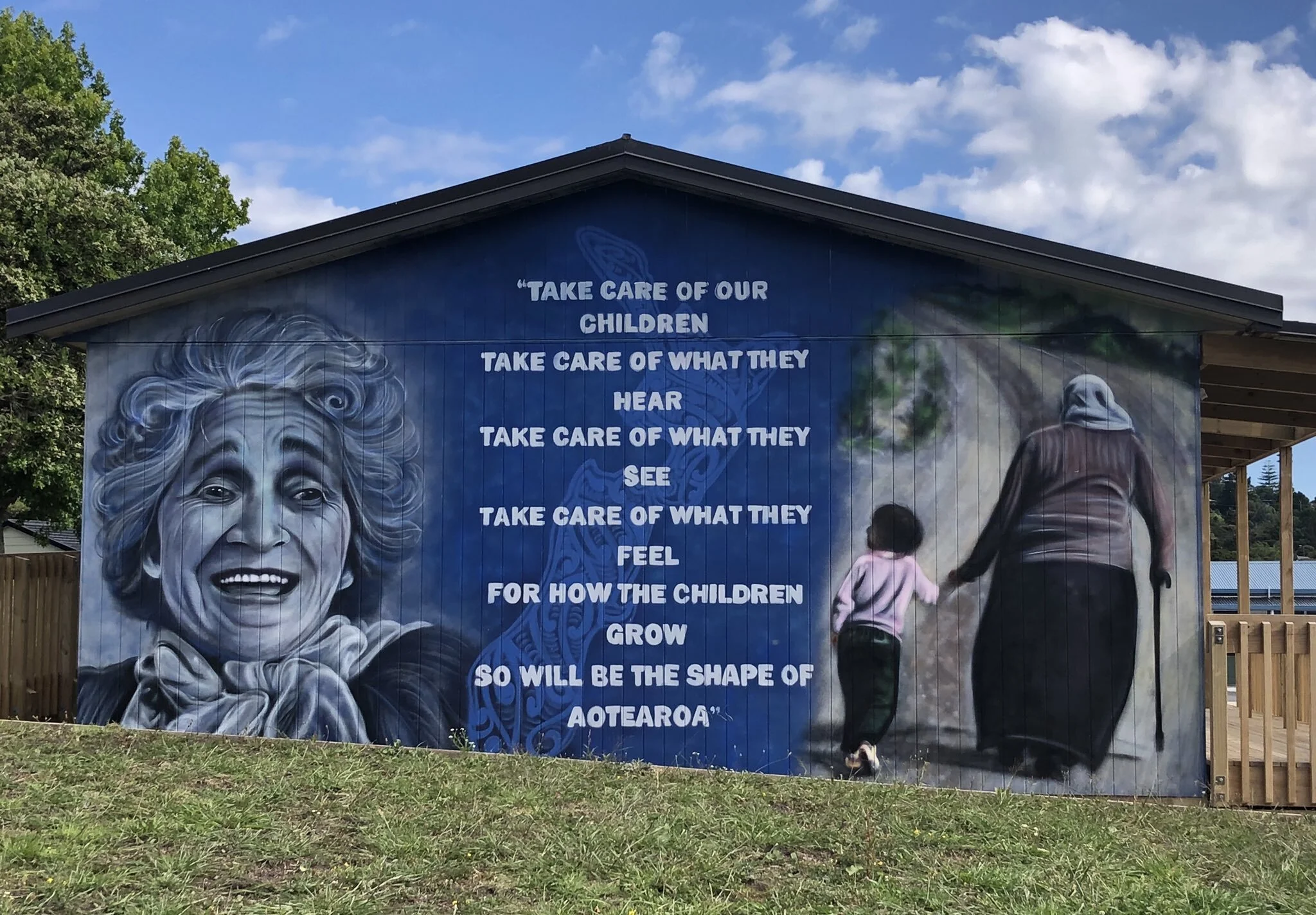
Respected kuia, Dame Whina Cooper ONZ DBE.
Whether we like it or not, paywalls are changing us. With fewer reputable sources to read for free, we tend to read tweets and skim headlines from a newsfeed to piece together the guts of a situation [for want of a better phrase]. Furthermore, restrictions placed on information that should be easily accessible to the public are destroying the way we consume news—and making it easier for fake news sources to be more widely accepted.
The other side of the coin is that those who do pay to access news are also not obtaining a wide range of information. For example, if you're conservative, you are unlikely to pay for a subscription to publications you perceive as too left or liberal, and vice versa. This leads those who purchase subscriptions to primarily read and pay for sources that reaffirm their existing views, creating a media echo chamber.
As the hadith goes: "The believers are like one body. When one limb of it aches, so does the whole body."
I get it. Paywalls exist for a reason, but it doesn't make them the right path. Even if we are to put up with advertisements, accurate, reliable, and fair reporting should be free online. I won't claim to have an end-all solution. But look around; something is not right. We live in a hyper-political climate, and restricting our communities' ability to broaden their ideological horizons will profoundly impact our country's future. I'm proud to be from Aotearoa, we feel a special connection with the land, and a duty of care is instilled in us from a young age. But are we naive to think our character will keep us grounded?
What if it doesn’t, and we get complacent? I worry we risk losing what makes us unique. So, what's the solution? Threats to global media freedom are real and concerning, and their impact on democracy makes them dangerous. Free access to digital news and an open media sector that keeps us informed and holds leaders to account is as crucial for a sustainable democracy as free and fair elections. I believe paywalls are a bad solution to a bad problem. But if paywalls aren't the answer to reimbursing quality journalism, what is?
In 2018 several New Zealand organisations joined forces to conceive and develop the Tiaki promise–a care for New Zealand initiative that actively encourages international and domestic travellers to act as guardians of Aotearoa. The promise encourages Kiwis and visitors to experience New Zealand in a way that keeps everyone safe, protects our environment, respects our culture and protects the country for future generations. Do media paywalls live up to the ideals of the Tiaki promise?
We have a lot to lose. Putting a price on public information and the truth comes at a cost–and we must not let the weight of the changing world crush our values.