Tuku Iho's living legacy and the fruits of multimodal cultural diplomacy
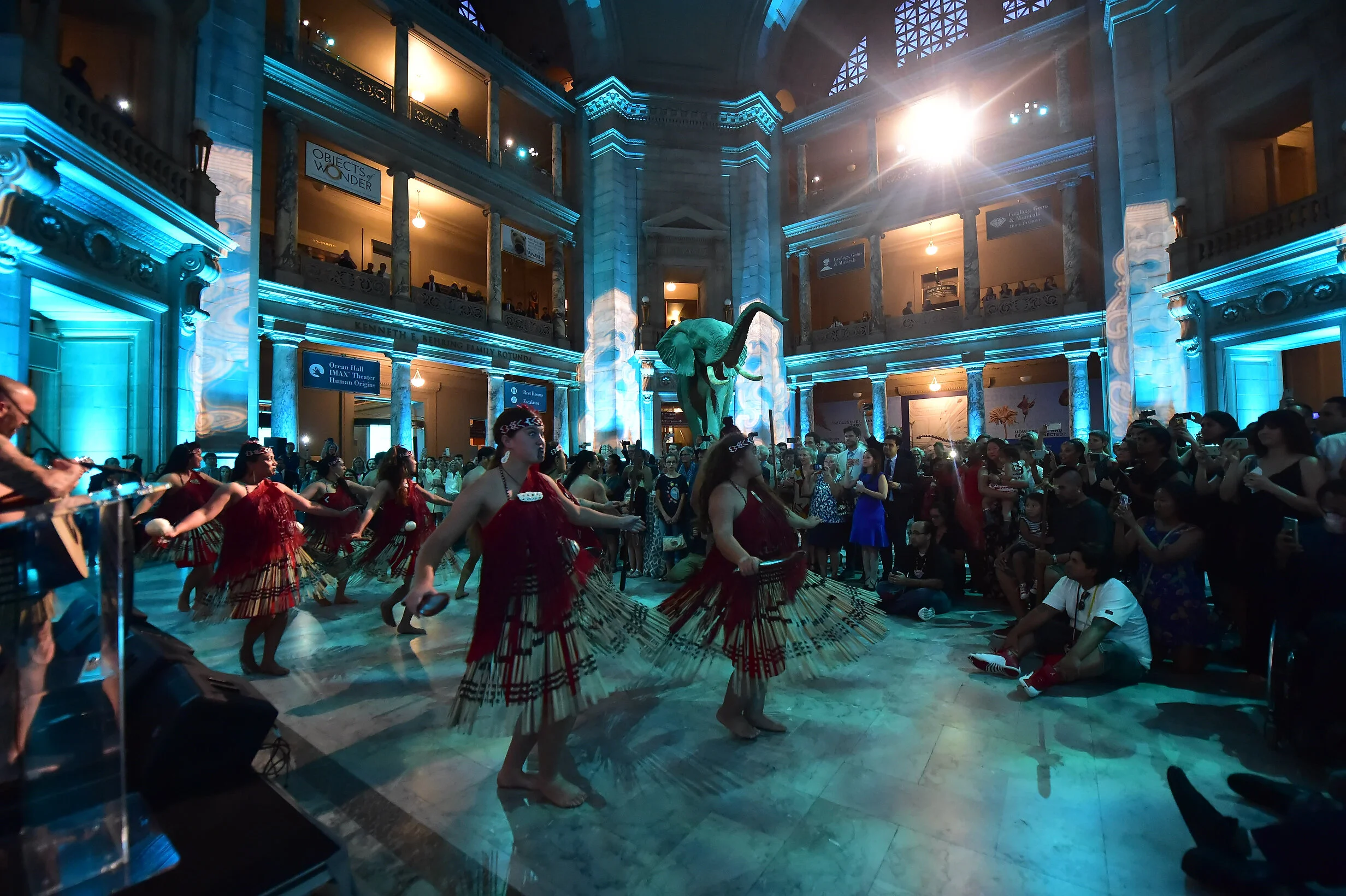
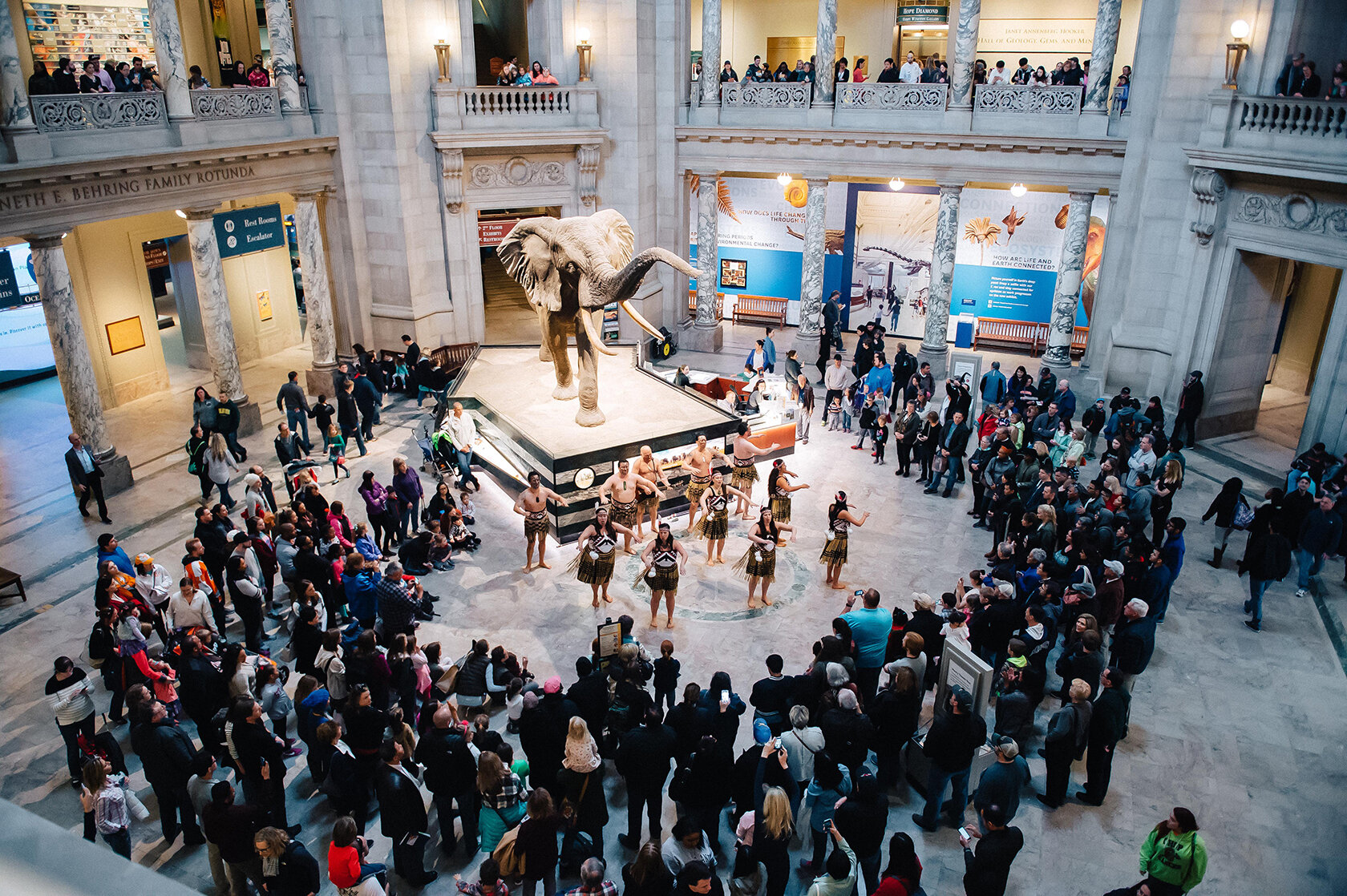
In July 2017 Māori culture took centre stage at the Smithsonian’s National Museum of Natural History in Washington, DC as an international touring exhibition, Tuku Iho Living Legacy began a bi-coastal tour of the United States. Three years on, curious about the legacy of Tuku Iho at the Smithsonian, I had a COVID appropriate catch-up with Joshua Bell, Curator of Globalization at the National Museum of Natural History and honorary friend of Aotearoa to learn more. (Q+A at foot of this article).
Dawn is natures time, not man's time. At daybreak, the world of nature is up and about. After that, everything else during the day is secondary - Professor Hirini/Sidney Moko Mead, appointed scholar for Te Māori
It was in an old 1984 New Yorker Magazine that I first read about a delegation of elder Māori women, positioned in sentinel formation on the steps of New York's Metropolitan Museum of Art, the Met, the largest and most-comprehensive art museum in New York City and one of the foremost in the world. I vividly remember the way the article described how the dawn air split with a wailing karanga opening Te Māori, a landmark exhibition of traditional Māori artworks including Uenuku one of the most significant and ancient Māori treasures. Te Māori was unprecedented in many ways and was the first time Māori were actively involved in the process of exhibiting their taonga (treasures) overseas – marking a milestone in the Māori cultural renaissance.
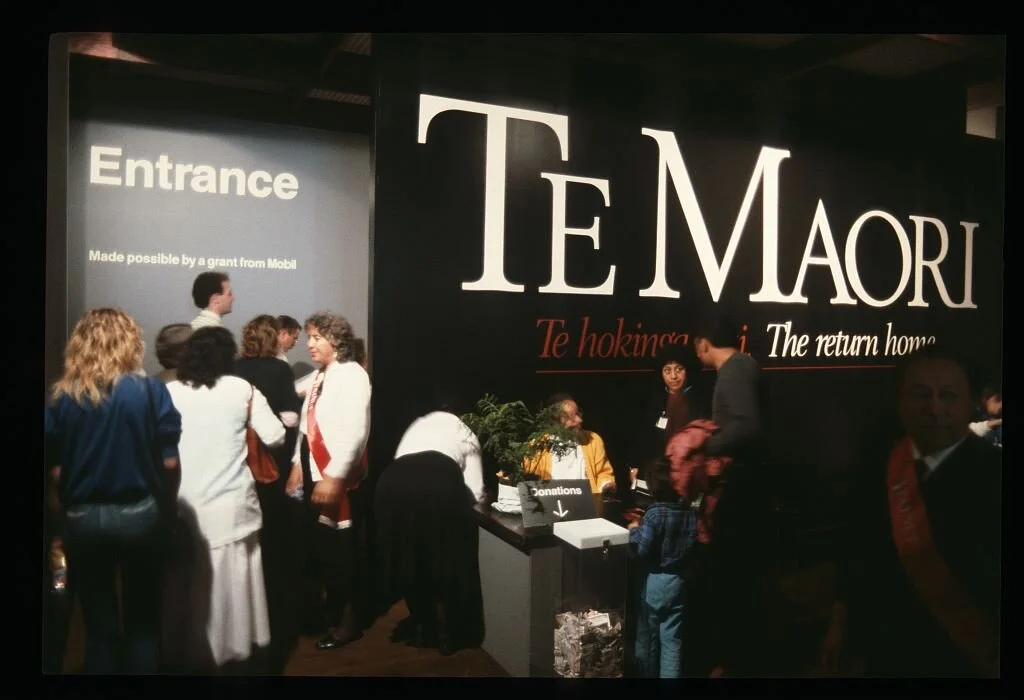
I couldn't have imagined some thirty-three years later in 2017 I would represent New Zealand in partnership with the New Zealand Māori Arts and Crafts Institute and the Smithsonian Institution to present a new exhibition, Tuku Iho Living Legacy at the National Museum of Natural History in Washington, DC, the most visited natural history museum in the world.
Tuku Iho was an energetic vibrational force. Two years of strategic planning, the exhibition strengthened US-NZ cultural and political ties and introduced Americans to key Māori customs or tikanga Māori. The bi-coastal tour visited two cities and included major activation events on the steps of the Lincoln Memorial, an iconic Washington landmark and the world-famous Santa Monica Pier in Los Angeles. Coverage of both events was extensive securing primetime news slots and engaging an online audience of over one million unique users.
Designed around a series of in-situ demonstrations, the exhibition challenged traditional museum programming, by introducing multi-sensory elements of art, craft, and knowledge—the pillars of Māori culture and identity. Lectures and panel discussions engaged local communities in dialogue on the importance of identity and the role of the arts in modern society. This emphasis on education allowed the latitude to include components to contextualize the indigenous worldview Te Ao Māori in a way that people could see, taste, and feel for themselves.
A 20 foot Waka carved from a single Totara tree was constructed and lashed at the museum throughout the exhibition. The waka named Tuia Te Here Tangata was gifted to the Smithsonian during the closing ceremony by New Zealand Ambassador Tim Groser, alongside the New Zealand Maori Arts and Crafts Institute reaffirming friendship. As a direct result of this exchange, a group of Pasifika and Māori carvers formed an agreement in March 2018 to continue a waka collaboration initiative with the Smithsonian Institute.
One of the best visiting exhibitions I've ever worked with. Full credit should be given to the professionalism and talent of the Tuku Iho performers who made the exhibition so special. - Kirk Johnson, Director of the National Museum of Natural History
Te Māori and Tuku Iho had an enormous impact in North America. Both exhibitions build on a 177-year long relationship that the Smithsonian has had with Māori communities and the New Zealand Government. Beginning with the US Exploring Expedition (1838-1842), this relationship was fostered by subsequent expeditions (Transit of Venus Expedition (1874-1875), and diplomatic missions (the US Great White Fleet visit [1907-1909], and numerous other scientific and cultural exchanges.
These relationships were reaffirmed through the repatriation of 54 tipuna (ancestors) to Te Papa in 2016 and New Zealand's active participation with Recovering Voices and the annual Mother Tongue Film Festival. New Zealand's continued partnership highlights our collaborative role in continuous education and public understanding of cultural diversity.
Q+A with Joshua Bell is the Curator of Globalization at the Smithsonian's National Museum of Natural History.
In the past few years, decolonization has gained new political currency around the world—I'm curious to understand how Tuku Iho contributes to this conversation?
The legacy of Tuku Iho is multiple. During a time when "decolonization" and issues of diversity are incredibly poignant, Tuku Iho marked an important event at the National Museum of Natural History. At a basic level, the exhibition proved to our administration that such a "pop-up" and interactive display with cultural performers/practitioners was possible and well received. Tuku Iho convinced the skeptics and created a culture that bought people together. The museum felt a sense of unity—that it was worth doing—and important to do. It remains a benchmark on what is possible and an ideal we strive to repeat.
Do exhibitions like Tuku Iho Living Legacy play a role in advancing the field of cultural anthropology? If so, how?
Tuku Iho was profoundly generative for our museum community and me as a researcher. The exhibition gave birth to a variety of the off-shoot anthropological opportunities for collaboration including a wa'a (Hawaiian for canoe) project with master waka maker James Eruera. This project has involved work in our collections in 2018, work in Hilo, Hawai'i as well as at the National Museum of Natural History in 2019. I also had the privilege to travel to Kororareka (Russell, Bay of Islands) in 2019 as part of Tuia250.
As part of the events in Kororareka, I worked with James and Derek Kawiti at the University of Victora, Wellington to print a 3D full-scale replica of the Queen Kapi'olani wa'a at the Smithsonian. This work is ongoing and is part of our attempt to help document and promote the revitalization of canoe building.
With only a small portion of the Smithsonian's collections (estimated at less than 2 percent) on display in the museums at any given time, is it possible for an exhibition like Tuku Iho to have a lasting legacy?
Absolutely, it already has. Waka Tuia Te Here Tanga has become central to Q?rius (pronounced "curious") the interactive and experimental learning space where it is on public display. Q?rius brings the unique assets of the Smithsonian's out from behind the scenes so visitors can better understand collection objects. It's location in the museum and related programming will impact audiences for years to come. On a personal level, Tuku Iho has been profound and has changed my view of the National Museum of Natural History. It's allowed me to see what's possible and how collaboration with Indigenous communities should and can work.
Joshua Bell is the Curator of Globalization at the Smithsonian's National Museum of Natural History. His work includes Papuan ethnography, language preservation, and the culture of cellular phones.